How Mobile Payment Integration Supports Player Protections Across Austrian Digital Gaming Platforms
Theo Walter · Aug 21, 2026
How Mobile Payment Integration Supports Player Protections Across Austrian Digital Gaming Platforms
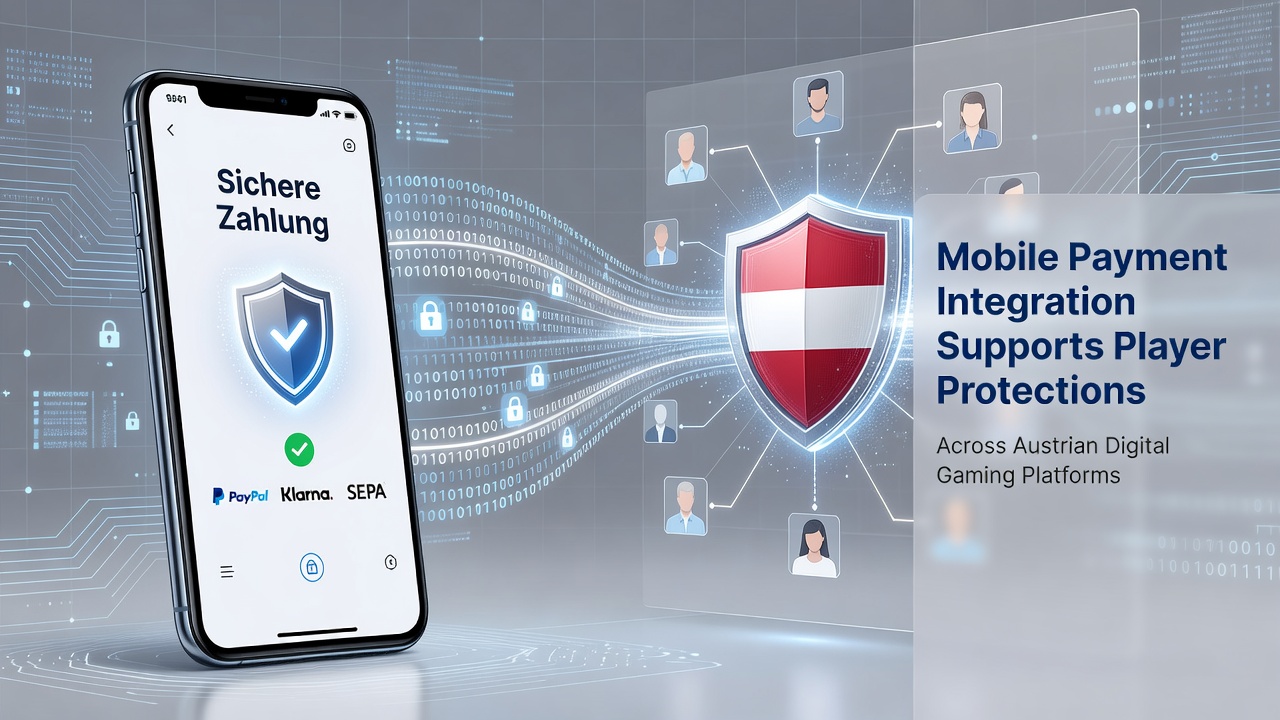
Digital gaming platforms operating in Austria have adopted mobile payment systems that tie directly into player protection mechanisms, and these integrations allow operators to monitor spending patterns in real time while enforcing limits set by regulators or chosen by users themselves. Austrian law requires licensed platforms to incorporate tools that prevent excessive play, and mobile payment gateways supply the data streams needed to flag unusual activity before it escalates.
Real-Time Transaction Tracking and Limit Enforcement
Mobile payment providers transmit every deposit and withdrawal instantly to platform databases, which gives operators the ability to apply daily, weekly, or monthly caps without delay, and this setup aligns with requirements from Austrian authorities that took effect in updates finalized by August 2026. When a player approaches a self-imposed or regulatory limit, the system blocks further transactions through the mobile channel and redirects the user to responsible gaming resources. Data collected across multiple platforms shows that transaction-level visibility reduces instances of rapid, repeated deposits that often signal emerging problems.
Payment processors also embed age verification at the account linkage stage, which prevents minors from funding accounts even if they gain access to a device, and this step satisfies EU-wide digital finance standards that Austria enforces for all gaming operators. Observers note that seamless verification cuts down on the number of accounts that later require manual review, freeing compliance teams to focus on behavioral patterns rather than basic identity checks.
Session Controls and Spending Alerts via Mobile Interfaces
Applications connected to mobile payment rails deliver push notifications when players reach preset time or spend thresholds, and these alerts appear directly on the device used for play, which increases the likelihood that users respond promptly. Austrian platforms combine these notifications with options to pause play or transfer remaining funds to a separate savings account, features that banking partners support through secure APIs. Research from European financial oversight bodies indicates that such integrated alerts correlate with longer intervals between deposit events among tracked users.
Operators further use aggregated mobile payment data to identify accounts showing sudden increases in transaction frequency or amount, then trigger mandatory cooling-off periods enforced at the payment gateway level. This approach avoids reliance on players to self-report changes in behavior, and it meets standards outlined in reports from organizations such as the European Gaming and Betting Association. The result is a layered protection system where financial rails and gaming software operate as a single compliance unit.
Cross-Border Compliance and Banking Partnerships
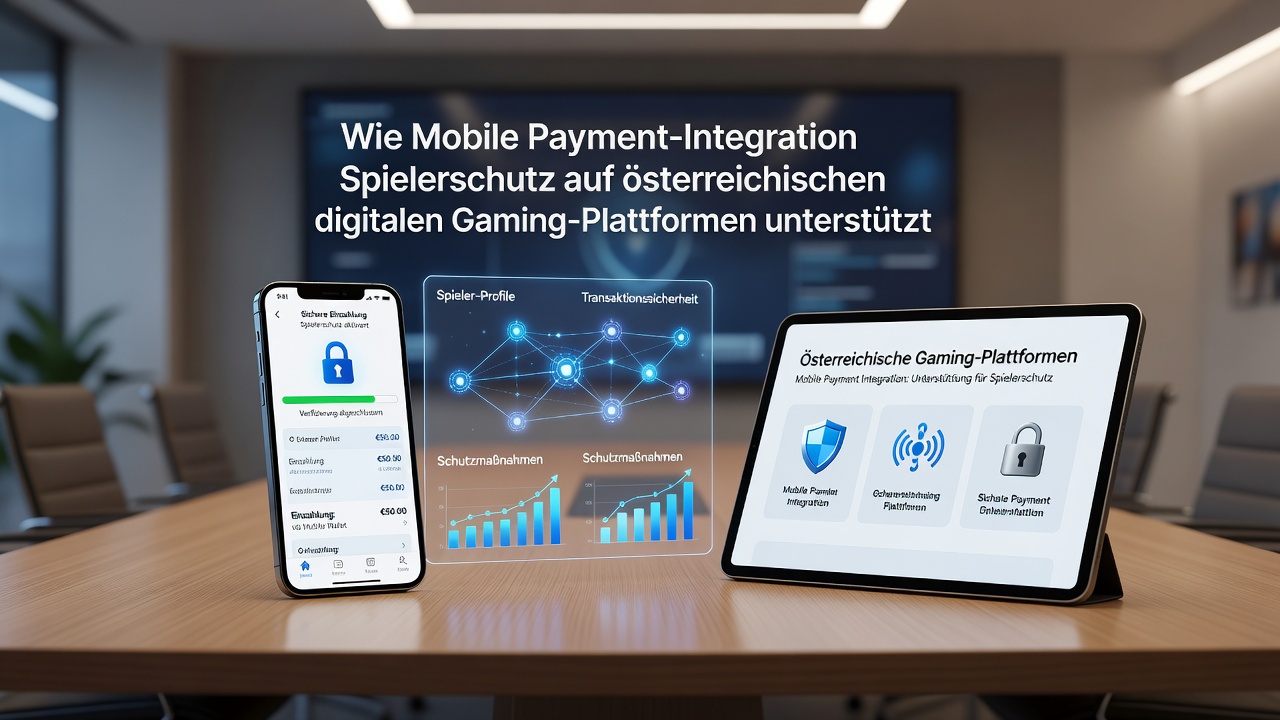
Austrian digital gaming platforms that accept payments from EU banks must follow both national rules and directives on payment services, and mobile integration simplifies adherence by routing transactions through monitored channels that automatically apply geographic restrictions. When a user attempts a deposit from an unsupported region or an account flagged for prior issues, the payment fails before funds reach the gaming wallet. Figures from regulatory filings reveal that this front-end filtering reduces unauthorized cross-border activity by measurable percentages each quarter.
Partnerships with major banking institutions also enable platforms to offer direct debit options that require explicit confirmation for each transfer, adding friction that discourages impulsive top-ups. These confirmations appear within the banking app itself, which separates the payment decision from the gaming interface and gives users an extra moment to reconsider. Studies conducted by academic researchers in Austria have documented lower average session values among players who route deposits through confirmed bank channels rather than stored-value wallets.
Data Sharing for Early Intervention
Under strict data protection rules, Austrian operators may share anonymized mobile payment trends with independent monitoring bodies that track industry-wide patterns, and this collaboration supports early identification of at-risk cohorts without compromising individual privacy. When trends show clusters of high-frequency activity during certain hours or among specific age groups, regulators can issue targeted guidance to all licensed platforms. Such data exchanges became more structured after policy adjustments implemented in August 2026, allowing faster response to emerging risks across the sector.
Payment providers contribute additional layers by maintaining blacklists of accounts associated with fraud or money laundering, and these lists integrate directly into gaming platform onboarding flows. A blocked payment attempt triggers an automatic review that may lead to account suspension or referral to external support services. The combined effect strengthens both financial security and player welfare without requiring separate verification steps for each new transaction.
Conclusion
Mobile payment integration in Austrian digital gaming platforms creates direct pathways for enforcing spending limits, delivering timely alerts, and sharing compliance data with oversight entities. These connections rely on secure APIs, real-time processing, and coordinated banking partnerships that satisfy both national and EU requirements. As platforms continue to refine these systems, transaction visibility remains a core component of efforts to maintain safe gaming environments for all users.